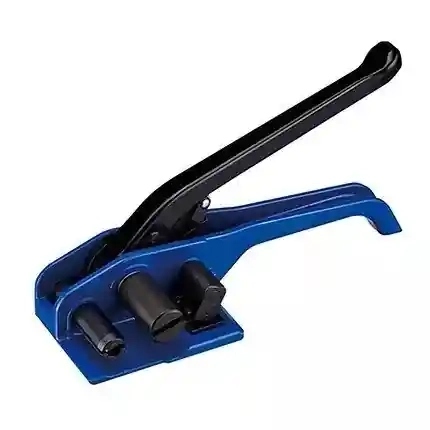
Position the Strap
Arrange compatible strapping around or across the load and feed it into the tool as directed by the manufacturer.
GRIPZON Tensioner Tools are designed to help apply tension to compatible strapping and cargo lashing systems for industrial load-securing applications. Select a suitable tool according to strap material, width, load requirements, and the intended securing application.
How do you tighten a strap for a demanding cargo-securing task? Tensioner tools help apply force to compatible strapping systems, supporting the process of preparing loads for transport, storage, and industrial handling.
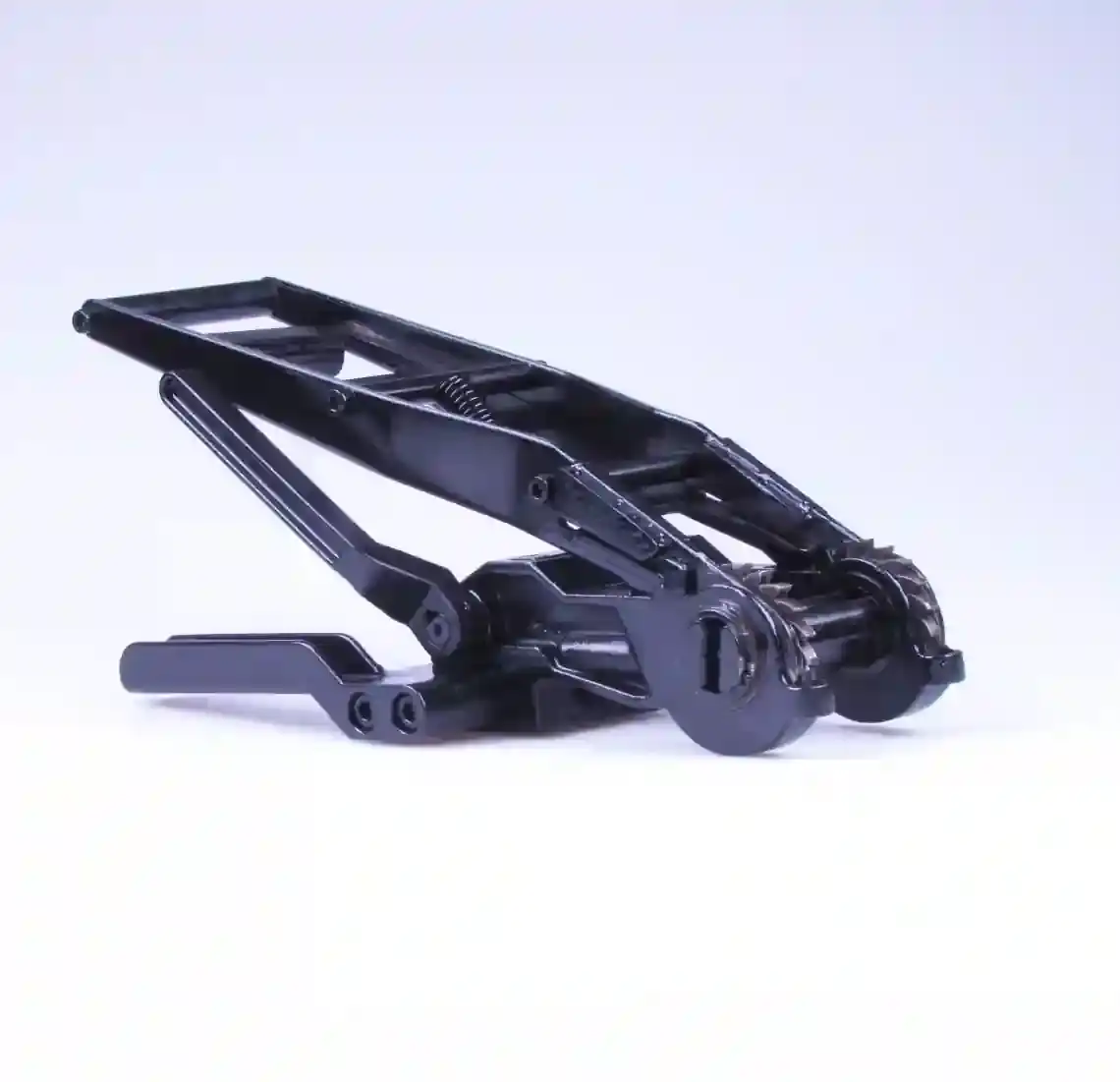
A tensioner tool works as part of a complete strapping or lashing system. The exact operating sequence varies with the tool and strap type.
Arrange compatible strapping around or across the load and feed it into the tool as directed by the manufacturer.
The mechanism pulls or winds the strap to apply tension appropriate to the specified application and system.
Retain the strap using the compatible buckle, ratchet, or fastening arrangement specified for the system.
Different designs use different mechanisms. These are common features to understand when comparing tool configurations and checking application suitability.
Applies force to tighten the strap and helps the operator achieve the tension required for the task.
Provides grip and leverage for operating the mechanism, depending on the design.
Guides, pulls, or winds compatible strapping through the tensioning process.
The tool must suit the specified strap material, width, and thickness.
Some models include a cutter for trimming strapping. This feature should be verified for the specific model.
The specified buckle, seal, ratchet, or other fastening method helps retain the strap after tensioning.
When correctly selected and used, a suitable tensioner tool can support these aspects of industrial load securing.
Helps apply appropriate tension when used correctly.
Provides a mechanical method for tightening compatible straps.
Supports routine packaging and dispatch operations.
Can suit different applications when the system is compatible.
Different configurations address different securing requirements.
Tensioner tools may be used wherever compatible strapping or cargo-lashing systems are required for packaging and load restraint.
Selecting a GRIPZON tensioner tool starts with the requirements of the application. Confirm that the tool and fastening arrangement are compatible with the complete securing system.
Talk to GRIPZON by Pinnacle Lift-Tech about your strap type, securing requirements, and suitable product options.
The right tensioning tool helps make strap tightening more controlled and practical. Explore the important features to consider when choosing a GRIPZON Tensioner Tool for your cargo-securing requirements.
Tool design, strap compatibility and the approved fastening method all matter when preparing a load for transportation, storage or handling.
Helps tighten compatible straps around or across a load as part of the selected cargo-securing procedure.
Evaluate construction materials, wear resistance and maintenance requirements against the expected working environment and usage.
Handle design and leverage influence how an operator grips and operates the tool during routine tensioning tasks.
Depending on the model, the mechanism pulls or winds the strap. Confirm material, width, thickness and fastening compatibility.
Supports preparation of compatible strapping and lashing systems for loads intended for transportation and storage.
Different tool configurations serve different strap types, fastening methods and load-securing requirements.
Start with your strap specifications, required tension, fastening method and working conditions. Contact our team to discuss suitable GRIPZON Tensioner Tool options and confirm model-specific details.
Selection note: Features vary by model. Always confirm the tool’s specifications and compatibility with the complete strapping or cargo-lashing system before use.
Find the important details to review when selecting a GRIPZON Tensioner Tool. Check strap compatibility, tensioning requirements and fastening arrangements to identify a suitable tool for your cargo-securing application.
Review these six factors to help match the tool to your strapping material, load-securing process and workplace.
Confirm compatibility with polyester or another specified strapping material.
Check supported strap width and thickness to ensure suitable engagement and operation.
Select a tool suited to the application without exceeding the strapping system’s limits.
Verify compatibility with the buckle, seal or other designated fastening components.
Consider frequency of use, workplace conditions and operator requirements.
Review inspection, servicing and replacement guidance from the manufacturer.
Discuss your strap material, dimensions, fastening method and operating requirements with Pinnacle Lift-Tech.
Contact our team to enquire about available models and confirm the technical specifications relevant to your work.
Technical note: The information above is a selection guide, not a model-specific datasheet. Confirm all operating limits and compatibility requirements with the applicable manufacturer documentation before use.
From cargo lashing and transportation to industrial packaging and warehouse dispatch, GRIPZON Tensioner Tools support compatible strap-tightening and load-securing operations across a range of industrial environments.
Select a suitable tool based on your load, strap and operational requirements.
Tighten compatible lashing straps as part of an appropriate cargo-restraint arrangement to help limit unwanted load movement during handling and transportation.
Support strap-tightening operations for compatible goods secured on suitable transport platforms, subject to the cargo, vehicle and journey requirements.
Assist with securing suitable loads during storage preparation, order consolidation, dispatch and onward movement through distribution facilities.
Tighten compatible strapping around appropriate packages, bundles and industrial goods before dispatch using the specified fastening system.
Secure compatible products, components and material bundles before movement between production areas, storage locations or outbound shipment.
Assist in tightening compatible lashing straps for suitable construction materials when the complete restraint arrangement meets transport requirements.
Support securing operations for suitable industrial materials and bundles, with appropriate consideration for sharp edges, edge protection and load stability.
Tighten approved lashing straps used in suitable cargo arrangements for containerised and export goods, according to handling and transportation requirements.
Review these six considerations before selecting a GRIPZON Tensioner Tool for your operation.
Confirm supported strap material, width and thickness.
Check whether the tool suits the intended securing application.
Verify compatibility with the specified buckle, seal or fastening component.
Consider load weight, dimensions, shape and possible movement.
Evaluate operating conditions, access and frequency of use.
Confirm the complete restraint system is suitable for the intended conditions.
A tensioner tool alone does not establish that a load is safe. Use compatible straps and approved fastening components, follow manufacturer instructions, and ensure the complete cargo-restraint arrangement is appropriate for the load and transport conditions.
Discuss your cargo-securing, packaging or industrial handling requirements with our team to identify suitable tool options and confirm compatibility.
Selecting the right tensioner tool helps achieve effective strap tightening, support operational efficiency, and improve cargo-securing practices. The ideal choice depends on your strapping material, strap dimensions, tensioning requirements, and fastening method.
GRIPZON Tensioner Tools from Pinnacle Lift-Tech support industrial strapping and cargo-securing operations. Review these seven factors before selecting a model.
Choose a tensioner designed for the strap material used in your operation. Different tools support different strapping types, so verify compatibility before use.
Check the strap’s width and thickness against the tool manufacturer’s specifications. Incompatible dimensions can affect operation and the effectiveness of securing.
Consider the tension required for your cargo-securing application. Select a tool within the manufacturer’s specified operating range and follow its instructions.
Determine how the strap will be secured after tensioning. Depending on the system, this may involve compatible buckles, seals, or other fastening components. Check that all components work together.
Consider whether the tool will be used for warehouse packaging, industrial dispatch, transportation, or cargo lashing. Work conditions and frequency of use can influence the most suitable design.
Choose a tool that can be operated, inspected, and maintained according to the manufacturer’s instructions. Regular cleaning and inspection help identify wear or damage before it affects use.
Review the product datasheet for compatible strap dimensions, operating method, tensioning capacity, and maintenance requirements. Contact your supplier if you need help identifying the appropriate model.
Always verify tool compatibility, strap dimensions, fastening components, and operating requirements before use. Follow the manufacturer’s instructions for safe operation.
Find a tensioning solution suited to your industrial strapping and cargo-securing requirements. Contact our team to discuss your application and confirm product compatibility.
Proper operation and regular maintenance of tensioner tools are essential for reliable strap tightening, effective cargo securing, and workplace safety.
Follow these practical guidelines when using GRIPZON Tensioner Tools to help protect equipment, support consistent performance, and maintain safer industrial strapping operations.
Always follow the manufacturer’s instructions and use only compatible strapping materials and fastening components.
Check the tool and strapping components before starting every operation.
Match the tensioner to the strapping material and dimensions specified by the manufacturer.
Use the designated tensioning and fastening method for your specific tool model.
Apply only the tension appropriate for the strapping system and cargo application.
Keep the immediate work area controlled while tensioning or releasing strapping.
Routine care can help preserve tool condition and identify wear before it becomes a bigger issue.
Protect tensioner tools between uses and check their condition regularly, based on usage and manufacturer guidance.
Look for visible damage and wear.
Remove residue after use.
Keep tools clean and dry.
Packaging strapping is not automatically suitable for lifting. Never use strapping as a lifting sling unless the complete system is specifically designed, rated, and approved for that purpose. Always follow the tool manufacturer’s instructions and applicable workplace safety procedures.
Need help selecting a suitable tensioner tool? Discuss your strapping material, fastening method, and application requirements with our team.
Looking for the right tensioner tool for your packaging or cargo-securing application? Find answers to common questions about tool functions, compatibility, selection, and maintenance.
Tensioner tools are used to tighten compatible strapping materials during packaging, cargo securing, and industrial material handling. They help apply the required strap tension before the strapping system is fastened.
Tensioner tools vary by design, strapping material, and intended application. Options may include manual strap tensioners, ratchet-operated tensioners, and tools designed for specific industrial strapping systems. The suitable type depends on your application and the manufacturer’s specifications.
Consider the strap material, width, thickness, required tensioning force, fastening method, and operating environment. Review the product datasheet to confirm compatibility and ensure that the tool is suitable for your application.
Suitable tensioner tools can be used in cargo-securing operations when they are designed for and compatible with the selected lashing system. Confirm that the tool, straps, and fastening components are appropriate for the load and intended application.
Important: Packaging strapping and cargo-lashing systems are not automatically interchangeable. Verify the intended use and applicable load-securing requirements.
Compatibility depends on the tool’s design. Different models may be intended for specific strapping materials and dimensions. Check the manufacturer’s specifications for supported materials, strap width, and thickness before using the tool.
Inspect the tool before use, remove dirt and strapping residue after operation, check moving components for wear, and store the tool in a clean, dry location. Lubricate or service components only as recommended by the manufacturer.
Contact Pinnacle Lift-Tech to discuss your strapping material, application requirements, and tool compatibility.
Improve your strapping and cargo-securing operations with GRIPZON Tensioner Tools from Pinnacle Lift-Tech Pvt. Ltd. Selecting the right tensioning tool helps support efficient strap tightening, consistent operation, and reliable cargo restraint across industrial applications.
Whether you need tensioner tools for cargo lashing, transportation, warehouse operations, industrial packaging, or export cargo preparation, our team can help you identify suitable options based on your application and compatibility requirements.
Solutions for industrial strapping and cargo-securing applications
Product selection based on strap compatibility and operational requirements
Technical specifications to support informed purchasing decisions
Assistance with product suitability and application requirements
Tell us about your industrial strapping and cargo-securing needs.